Water underneath my air source heat pump
Does a Heat Pump Drain Water When Heating?
Have you noticed a puddle of water forming around your air source heat pump and started to worry? As we head into the colder months, many homeowners find themselves puzzled by the unexpected appearance of water around their heating systems. You might be wondering if something's gone wrong.
Here's the reassuring truth. Water drainage from your heat pump during heating mode is completely normal and expected. This natural process is a sign that your system is working exactly as it should. Understanding why this happens will help you maintain your system properly, avoid unnecessary concern, and know when genuine issues require attention. Let's explore exactly what's going on with your heat pump's water production.
How Condensation Forms During Heating
It's a common question we get: where does all that water come from? When your heat pump is working to warm your home,
The outdoor evaporator on the back of the heat pump becomes so cold that moisture from the surrounding air condenses directly onto it, just like morning dew forming on grass.
Several factors affect how much water your system produces:
● Temperature differential: The greater the difference between your coil temperature and the outdoor air, the more condensation forms
● Humidity levels: Higher moisture content in the air means more water production
● Wind conditions: Air movement across the coil increases the rate of moisture contact
Research shows that UK heat pumps can produce between 60-100 litres of water daily during peak heating operation. That's quite a lot of water, which explains why you might notice significant drainage around your outdoor unit during colder months.
The Defrost Cycle Process
Have you ever noticed your heat pump letting out a big puff of steam on a cold day and worried something was wrong? Don't panic! You're likely just witnessing the defrost cycle. It's a completely normal and essential function.
Here's what we see happening. As your unit pulls heat from the chilly outside air, moisture naturally freezes onto the outdoor evaporator. Over time, this ice buildup can block airflow and make the system inefficient. To combat this, your heat pump has a smart, automatic solution.
The system temporarily reverses its operation to melt away the ice and frost, often creating a cloud of steam that can look quite dramatic.
During defrost, your indoor heating temporarily stops, but don't worry. Modern heat pumps are designed to minimise this interruption, and understanding the defrost cycle is essential for maintaining efficiency throughout the winter months.
Condensate Drainage
It is important installers ensure condensate is drained safely and effectively, adhering to UK Building Regulations. It should not be discharged onto the ground, paths, or driveways as it could create an ice hazard in the winter.
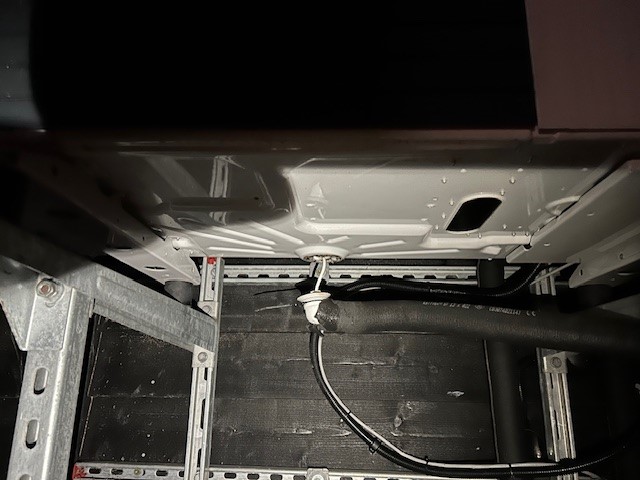
The condensate tray sits beneath your outdoor unit, collecting all the water from normal operation and defrost cycles. This water then flows through the drainage pipe system to its designated discharge point.
Frozen Condensate Lines
As we brace for the coming winter, one of the most frequent issues we encounter with heat pumps is a frozen condensate line. It's a frustrating but often fixable problem. Here in the UK, the primary culprits are a combination of biting wind chill, which dramatically drops the surface temperature of the pipe, and inadequate insulation. An exposed or poorly protected pipe is highly susceptible to freezing,
If you find your condensate line has frozen, this can be thawed by using warm (not boiling) water. If you are uncomfortable attempting this yourself then please contact a suitably qualified technician.
Blockages and Maintenance
We find that a blocked condensate drain is another common issue homeowners face with their heating systems. This often stems from dirt, sludge or ice formation on the condensate tray or condensate pipework.
This can be checked by looking for debris on the condensate tray and ensuring water flows freely when you pour a small amount onto the tray. If you are uncomfortable attempting this yourself, please contact a suitably qualified technician.
Seasonal Care Requirements
Proactive maintenance ensures your system is ready for the demanding winter months ahead, check for cracks in condensate pipework, gaps or deterioration of insulation and for water pooling around the heat pump and ensure you schedule annual maintenance before heating season.
Conclusion
In conclusion, we've seen that water drainage from your heat pump during heating mode is completely normal. In fact, it is an essential function of the defrost cycle that shows your unit is working correctly. The critical factor is ensuring this water discharges correctly.